5 Tips to Find the Best Wholesale Pricing on Bamboo Flooring
Understanding the Basics of Bamboo Flooring
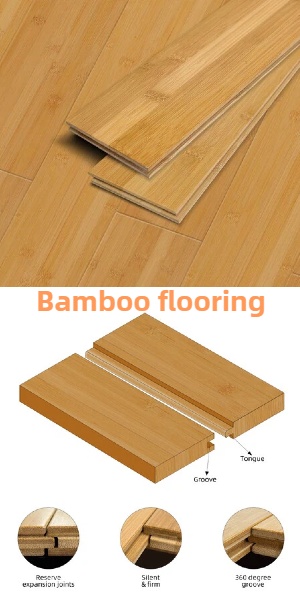
Bamboo flooring has become a popular choice for homeowners and businesses due to its blend of durability, sustainability, and aesthetic appeal. Understanding its core characteristics is essential for making informed purchasing decisions, especially when seeking wholesale pricing.
Bamboo flooring is crafted from the stalks of bamboo plants, which are processed into usable planks and boards. Unlike conventional hardwoods, bamboo is technically a grass and renews itself far more quickly, making it an eco-friendly alternative. Its hardness and stability often rival or exceed those of traditional timber, depending on the manufacturing process.
There are three primary types of bamboo flooring: horizontal grain, vertical grain, and strand-woven. Horizontal and vertical grain planks highlight unique patterns of the bamboo, while strand-woven bamboo is created by compressing fibers under high pressure, resulting in the hardest and most durable option available. Buyers should consider these variations when evaluating products for specific applications or environments.
The board finishes also play a critical role in both aesthetics and maintenance. Bamboo flooring typically comes in either pre-finished or unfinished options. Pre-finished planks are sealed with protective coatings, offering instant usability, while unfinished ones allow customization to match different design preferences. It’s crucial to assess whether a matte, satin, or high-gloss finish aligns with the intended space.
Moisture resistance is another significant factor. Although bamboo is more water-resistant than some hardwoods, it is still susceptible to warping if exposed to excessive moisture. Evaluating the flooring’s quality and the conditions of its intended location helps prevent long-term issues.
By grasping these essential details, buyers can navigate the selection process more effectively and ensure their choice balances both style and functionality.
Benefits of Buying Bamboo Flooring at Wholesale Prices
Purchasing bamboo flooring at wholesale prices offers a range of practical, financial, and aesthetic advantages. This approach not only contributes to significant cost savings but also allows buyers to access a diverse selection of high-quality products at competitive rates.
Cost Savings
Wholesale pricing provides an opportunity to purchase bamboo flooring at a lower per-unit cost compared to retail pricing. This reduction is especially beneficial for homeowners tackling large-scale renovation projects or contractors managing multiple installations. By buying in bulk, customers can allocate more of their budget to other aspects of their project while still achieving a premium flooring outcome.
Access to Premium Quality
Wholesale distributors often source their bamboo flooring directly from manufacturers or primary suppliers, ensuring the products maintain high standards of quality. Buyers purchasing in bulk through wholesale channels frequently receive flooring that is durable, eco-friendly, and meticulously crafted. This ensures long-lasting performance and a timeless aesthetic appeal.
Customization Options
Interacting with wholesale suppliers may provide opportunities for product customization or access to a broader range of bamboo flooring options, including different finishes, colors, and texture styles. Wholesale purchasing can also allow buyers to secure unconventional or rare styles of bamboo flooring that might not be readily available at retail.
Reduced Environmental Impact
Because wholesale purchases involve fewer packaging materials and transport emissions compared to multiple smaller purchases, this approach results in a lower overall environmental footprint. Efficient procurement aligns with the sustainability values that bamboo, as an eco-friendly resource, promotes.
Enhanced Project Flexibility
Buying in bulk at wholesale prices ensures that there is sufficient material to complete projects seamlessly. This prevents potential delays caused by stock shortages and facilitates project consistency by ensuring all flooring originates from the same production batch.
Wholesale bamboo flooring offers an economically and environmentally sound choice for anyone seeking a stylish, high-quality flooring solution without compromising their budget.
Researching Trusted Wholesale Bamboo Flooring Suppliers
Sourcing bamboo flooring at wholesale pricing begins with identifying reputable suppliers. Focusing on suppliers with a solid track record is crucial for ensuring product quality and reliability. Reviewing certifications is an essential first step; credible suppliers will hold certifications such as FSC (Forest Stewardship Council) or FloorScore, both of which confirm sustainable materials and indoor air quality compliance.
Evaluating the longevity and reputation of suppliers also matters. Companies with extensive industry experience often have established supply chains and relationships with trusted manufacturers. Checking reviews and testimonials from other businesses provides insight into customer satisfaction and reliability. Professional directories and trade associations, such as the National Wood Flooring Association (NWFA), are excellent resources for finding vetted suppliers.
Investigating product guarantees and warranties is another key step in the vetting process. Reliable wholesale suppliers will typically provide clear warranty information, showcasing their confidence in their product’s durability and performance. Comparing warranty terms between suppliers can help narrow options.
When researching, it is also valuable to request product samples. Samples allow buyers to assess the material’s quality, texture, and finish prior to committing to a large purchase. Some suppliers may offer samples free of charge or for a nominal fee, fostering transparency.
Finally, ensure suppliers are responsive and willing to answer detailed questions about their materials, manufacturing processes, and shipping logistics. A trustworthy supplier provides prompt communication, clear terms, and a detailed breakdown of expected costs, including potential bulk pricing discounts. Consistent professionalism and transparency are reliable indicators of a dependable partnership with a wholesale bamboo flooring supplier.
Comparing Wholesale Pricing Structures and Discounts
When evaluating wholesale pricing for bamboo flooring, it is essential to understand the different pricing structures and discount options offered by suppliers. Not all wholesalers follow the same pricing model, as their strategies often depend on factors such as minimum order quantities, market competition, and product quality tiers.
One common pricing structure involves volume-based discounts. Here, wholesalers reduce the per-unit price as the order size increases. For example, a purchase of 500 square feet of bamboo flooring may cost less per unit than a smaller 200-square-foot order. Studying these tiered discounts helps buyers determine the price point that offers optimal value while staying within budget constraints.
Some suppliers use flat-rate pricing regardless of order size. This structure simplifies cost estimation but may lack flexibility for larger projects that require significant quantities. Flat rates might appeal to smaller buyers who are unwilling to commit to meeting high order thresholds.
Exclusive discounts or promotions represent another important consideration. Wholesalers occasionally offer promotional pricing for specific product types, such as strand-woven bamboo or prefinished flooring. These limited-time deals can translate to significant savings. However, buyers must review the return policies, as promotional products may come with restrictions.
Comparing pricing structures also involves analyzing hidden costs, including shipping fees, storage charges, or additional taxes. A supplier offering appealing per-unit rates may impose higher fees, negating the upfront discount. Buyers benefit from requesting a comprehensive cost breakdown to avoid unexpected expenses.
Careful side-by-side comparison ensures informed decision-making when securing bamboo flooring at wholesale rates.
Evaluating the Quality of Bamboo Flooring from Wholesalers
When sourcing bamboo flooring from wholesalers, it is essential to assess the quality accurately to ensure the durability and aesthetic appeal of the material. Bamboo flooring comes in varying grades and finishes, which means not all products are created equal. A thorough evaluation can help identify flooring that will meet both performance and design expectations.
One critical aspect of quality evaluation is the type of bamboo used. Most bamboo flooring is derived from Moso bamboo, a species known for its density and hardness. Buyers should confirm whether the supplier uses sustainably harvested bamboo for their products, as this impacts the environmental footprint and strength of the flooring. Furthermore, consider the age of the bamboo at harvest. Bamboo harvested between five and seven years of age generally provides optimal durability.
Manufacturing processes also play a pivotal role in the quality of bamboo flooring. Buyers should inquire about how the planks are made, including details such as carbonization and heat treatment. While carbonized bamboo offers a darker appearance, the process may reduce the flooring’s hardness. Strand-woven bamboo, however, is highly durable and often recommended for high-traffic areas. Comparisons of the grain pattern, texture, and finish consistency can reveal potential wear and tear concerns.
Another factor to examine is the adhesive and finish coatings used in production. Premium bamboo flooring typically utilizes low-VOC adhesives and finishes, minimizing toxic emissions and ensuring safer indoor air quality. Check for certifications like FloorScore or Greenguard to verify the product meets industry standards for health and safety.
To ensure reliability, request product samples from wholesalers before committing to large orders. Test these samples for resistance to scratches, dents, and moisture. Verifying warranty terms and after-sale support also reflects a supplier’s confidence in the product’s longevity, contributing to a more secure investment for potential buyers.
Negotiating Better Deals with Bamboo Flooring Suppliers
A strong negotiation strategy is essential for securing the most favorable pricing from bamboo flooring suppliers. Suppliers often have room for flexibility within their pricing structures, especially for wholesale orders or bulk purchases. Fostering open communication with suppliers can create opportunities to negotiate prices effectively without sacrificing product quality.
One of the first steps in this process involves performing thorough market research. Buyers should compare pricing among different suppliers to establish a benchmark. Understanding industry standards and typical price points empowers negotiators to identify offers that stand out and steer conversations in their favor. Additionally, presenting detailed knowledge of competitors’ pricing can serve as a compelling justification for requesting discounts.
Building strong relationships with suppliers can also yield better deals. Suppliers are more likely to offer concessions to clients they trust and have a positive working relationship with. Demonstrating long-term interest or committing to repeat purchases can further incentivize suppliers to offer better pricing. Buyers should also inquire about discounts for larger orders, seasonal promotions, or loyalty programs that could reduce costs.
Negotiating payment terms is another vital aspect to consider. Flexibility in terms such as bulk payment options, installment plans, or early payment discounts can help achieve cost savings. Highlighting reliable payment history or offering a larger upfront payment may also give buyers leverage during negotiations.
Assertive yet respectful communication is crucial throughout the process. Buyers should approach negotiation with clarity, confidence, and a willingness to strike a mutually beneficial agreement. Establishing win-win solutions ensures suppliers remain cooperative and helps secure the best pricing on bamboo flooring.
Exploring Seasonal Sales and Promotions for Extra Savings
Seasonal sales and promotions offer unique opportunities to secure wholesale bamboo flooring at reduced prices. Suppliers often structure these discounts around specific times of the year, providing savvy buyers with a chance to maximize their purchasing power. By closely monitoring these events, buyers can capitalize on promotions that significantly lower costs without compromising quality.
Holiday sales are a prime example of seasonal pricing incentives. Retailers and wholesalers alike typically offer discounted rates during major holidays such as Black Friday, Memorial Day, and Labor Day. These sales events often feature exclusive markdowns or bundle deals, which can translate to significant savings when buying in bulk. Tracking these holiday-specific discounts can help buyers plan their purchases effectively.
End-of-season clearance events also present substantial opportunities for reduced pricing. Many suppliers and manufacturers aim to clear out inventory to make room for new designs or products. By purchasing during these periods—often at the end of summer or after the winter holidays—buyers may access deeply discounted wholesale rates. Such clearance events are common and can be valuable for those working with flexible timelines.
Additionally, some wholesalers run exclusive promotions for loyal customers or those making large-volume purchases. Signing up for newsletters or joining supplier loyalty programs can ensure access to these special deals. This approach allows buyers to stay informed about upcoming promotions and private discounts not available to the general public.
By taking a proactive approach and recognizing these patterns, buyers can align their procurement strategies with periods of heightened promotional activity, optimizing savings on bamboo flooring purchases.
Leveraging Bulk Purchases to Maximize Cost Efficiency
Wholesale pricing for bamboo flooring often rewards buyers who commit to larger quantities. Bulk purchases present an opportunity to drive down costs per unit, making this approach ideal for large-scale projects or businesses requiring significant inventory. By opting to buy in bulk, one can take advantage of economies of scale, a pricing model where the cost to produce or distribute goods decreases as the order size increases. Suppliers are typically more inclined to provide reduced rates and added incentives when buyers commit to larger orders.
However, purchasing in bulk requires careful planning to avoid overstocking. Buyers should assess the square footage of the project and calculate the precise amount of bamboo flooring needed. To add a buffer, professionals recommend ordering an additional 10% to 15% to account for cuts, installation errors, or future replacements. While bulk deals provide substantial discounts, over-purchasing may result in unnecessary storage costs and waste, eroding potential cost efficiencies.
Negotiating terms with suppliers is another critical tactic for maximizing savings on bulk orders. Suppliers often allow room for negotiation regarding price breaks or additional perks, such as shipping discounts or extended payment terms. Large orders may also make buyers eligible for tiered pricing, where incremental increases in the purchase amount reduce the price per unit further.
Additionally, partnering with suppliers who specialize in bamboo flooring ensures consistent quality across large volumes. Buyers should also inquire about customer loyalty programs or repeat-purchase discounts, as these benefits can enhance savings over time. A well-planned bulk purchase not only avoids unnecessary expenses but ensures a quality flooring solution tailored to specific project needs.
How to Avoid Common Pitfalls in Wholesale Flooring Purchases
Wholesale flooring purchases can be an effective way to secure competitive pricing, but missteps in the process can lead to costly mistakes. Understanding how to navigate potential pitfalls is essential for ensuring a smooth buying experience and delivering value for the investment.
1. Failing to Verify the Quality of Materials
One of the most common mistakes is overlooking quality assurance. Wholesale suppliers may offer lower prices, but this can sometimes come at the expense of material integrity. Buyers should request samples of bamboo flooring to inspect for durability, color consistency, and manufacturing defects. Careful examination can help prevent issues like warping or splitting after installation.
2. Neglecting to Account for Waste and Overages
Misjudging how much material is needed is another frequent error. Failing to account for waste during installation or measuring inaccurately can result in project delays or added expenses. Professionals recommend adding a 10-15% buffer to accurately account for cutting waste or irregular room layouts.
3. Overlooking the Supplier’s Reputation
Not researching the reputation of a supplier can lead to disputes over quality, delivery times, or customer service. Buyers should check for online reviews, certifications, and accreditations to ensure the supplier is reliable. Wholesale distributors with a strong track record of customer satisfaction are more likely to provide a seamless experience.
4. Ignoring Shipping and Delivery Costs
While the primary focus is often on the listed price per square foot, ignoring shipping and delivery fees can diminish savings. For large or heavy orders like bamboo flooring, freight costs can significantly impact the final expense. Buyers should request a full breakdown of costs in advance to avoid surprises.
5. Not Confirming the Return Policy
Wholesale purchases often come with strict or limited return policies. If the wrong type or quantity of bamboo flooring is ordered, inflexible return terms may leave buyers stuck with unusable materials. Confirming return guidelines beforehand helps protect the investment.
Avoiding these pitfalls is crucial to maximizing savings and ensuring a successful wholesale flooring purchase. By taking a proactive approach to these potential challenges, buyers can feel confident in securing both quality and value.
Ensuring Sustainable and Eco-Friendly Sourcing
When looking to secure the best wholesale pricing on bamboo flooring, prioritizing sustainability and eco-friendliness is not just an ethical decision; it directly influences product quality and long-term viability. Bamboo, as a fast-growing and renewable resource, has significant environmental advantages over traditional hardwoods, but how it is sourced and manufactured makes all the difference.
To ensure sustainable sourcing, buyers should verify that the bamboo comes from certified plantations. Reputable certifications like Forest Stewardship Council (FSC) ensure that the bamboo is harvested responsibly, without causing deforestation or harm to local ecosystems. Furthermore, businesses should inquire about the chemical treatments used during manufacturing. Flooring made with low volatile organic compounds (VOC) adhesives and finishes is not only better for the environment but also safer for indoor air quality.
It is equally important to research the production practices of the supplier. Ethical manufacturers employ processes that minimize waste and energy consumption. Opt for companies that use sustainable harvesting techniques, such as selective cutting, which allows bamboo groves to regenerate naturally. Buyers may also choose suppliers offering carbon-neutral or energy-efficient operations as this reflects a commitment to reducing their environmental footprint.
Assessing the transport logistics is another factor to consider. Bamboo flooring sourced locally or from suppliers with efficient shipping practices reduces greenhouse gas emissions associated with transit. Open communication with manufacturers about their supply chain transparency helps to evaluate their sustainability claims.
Finally, supporting suppliers who work to give back to local communities ensures that your purchase contributes toward a greener and more socially responsible industry. Sustainable and eco-friendly sourcing reflects mindful decision-making that benefits both the buyer and the planet while maintaining quality and affordability.
Making the Final Purchase Decision: Tips for Success
When deciding to move forward with a wholesale bamboo flooring purchase, it is essential to approach the process methodically and with a focus on key considerations. Buyers should evaluate the practical aspects of their decision while ensuring alignment with their project needs and financial goals. The following tips can streamline decision-making and enhance confidence in the purchase.
Compare Quality Standards Across SuppliersEvaluate the quality of bamboo flooring options by reviewing product specifications such as durability, finish, and grade. Ensure suppliers adhere to industry certifications, such as FloorScore or FSC (Forest Stewardship Council), which confirm eco-friendliness and safety. Examine samples for consistency in color, texture, and structural integrity to avoid surprises post-purchase.
Verify Pricing TransparencyRequest a detailed breakdown of costs, including shipping fees, taxes, and bulk discounts, to ensure transparency. Some suppliers may advertise attractive wholesale rates but include hidden costs that inflate the final price. Buyers should verify all fees upfront to avoid budget overruns.
Assess the Return and Warranty PoliciesConfirm the supplier’s return and warranty terms to understand your level of protection in case of defects or dissatisfaction. Look for warranties covering structural issues and finish retention over a reasonable time frame. A flexible return policy provides additional peace of mind.
Read Reviews and Check ReferencesResearch customer reviews, ratings, and testimonials for insights into the supplier’s reliability, product quality, and customer service. Professional references can also validate the supplier’s credibility and help confirm satisfaction from past buyers in similar industries.
Consider Value Beyond PriceWhile cost is a crucial factor, prioritize value over the lowest price. Evaluate whether the supplier offers services like installation guidance, customer support, or ongoing product availability. These extras can enhance the overall experience and ensure long-term satisfaction.
Thorough analysis of these factors will empower buyers to make informed, practical decisions when sourcing bamboo flooring at wholesale prices.