7 Reasons Engineered Bamboo Flooring Is Perfect for Your Home
Introduction to Engineered Bamboo Flooring
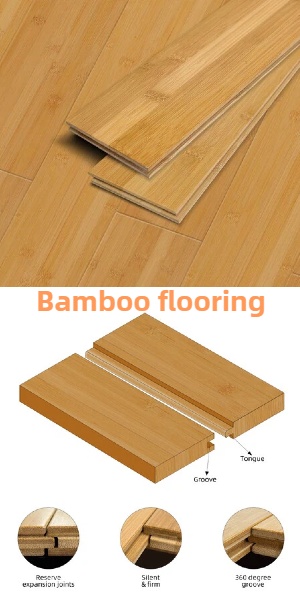
Engineered bamboo flooring is a modern and durable flooring solution that combines the aesthetic appeal of natural bamboo with innovative manufacturing techniques for enhanced performance. Unlike traditional solid bamboo flooring, engineered bamboo consists of a top layer of natural bamboo veneer bonded to multiple layers of plywood or high-density fiberboard (HDF). This composite structure improves dimensional stability, making it suitable for various environments and conditions.
The structure of engineered bamboo flooring allows it to withstand changes in temperature and humidity better than its solid counterpart. This quality makes it an excellent choice for areas prone to moisture, such as basements or kitchens. The layered construction minimizes the risk of warping, buckling, or swelling, ensuring lasting quality and appearance even in challenging conditions.
One of the defining characteristics of engineered bamboo flooring is its ability to mimic the authentic grain and texture of natural bamboo. It is available in a variety of styles, colors, and finishes, offering homeowners flexibility to complement diverse design aesthetics. From sleek modern homes to rustic interiors, engineered bamboo flooring effortlessly combines functionality with sophisticated elegance.
The installation process for engineered bamboo flooring is another noteworthy aspect. Homeowners can choose from nail-down, glue-down, or floating installation methods, making it accessible for both professional installers and DIY enthusiasts. Additionally, its pre-finished surface reduces the need for on-site sealing or staining, saving valuable time and resources.
Featuring impressive durability, resistance to wear, and eco-friendly qualities, engineered bamboo flooring stands out as a sustainable and stylish option. Its composition maximizes the use of bamboo, a rapidly renewable resource, while maintaining an emphasis on long-term performance and aesthetic versatility. Together, these features establish engineered bamboo flooring as a practical and attractive investment for modern households.
What Sets Engineered Bamboo Flooring Apart from Traditional Options
Engineered bamboo flooring distinguishes itself from traditional flooring options through its innovative composition and impressive versatility. Unlike solid hardwood or traditional bamboo planks, engineered bamboo is crafted using a layer of natural bamboo adhered to a high-density fiberboard (HDF) or plywood base. This structure enhances durability while maintaining the eco-friendly nature of bamboo.
One of the key differences lies in its stability. Traditional hardwood and bamboo can expand and contract significantly with changes in humidity and temperature, leading to potential warping or buckling. Engineered bamboo flooring, however, offers superior dimensional stability due to its layered construction, making it well-suited for areas prone to moisture, such as kitchens or basements.
Another defining feature is the installation process. Engineered bamboo flooring often boasts a simple click-lock system, allowing for a straightforward floating floor installation that eliminates the need for adhesives or nails. This contrasts with traditional hardwood and solid bamboo, which typically require more labor-intensive installation methods.
Engineered bamboo is also more versatile in design. Manufacturers can produce planks in a variety of finishes and colors, ranging from light, natural tones to darker, more sophisticated hues. Additionally, surface textures like wire-brushed or hand-scraped finishes add to its aesthetic diversity, surpassing the limited style options of traditional flooring.
Finally, engineered bamboo is cost-effective. Because it uses less raw bamboo material compared to solid bamboo planks, it often comes with a more accessible price tag while still offering a luxurious appearance. This combination of affordability, durability, and adaptability sets engineered bamboo apart as a modern, practical flooring solution.
Durability That Stands the Test of Time
Engineered bamboo flooring is specifically designed to deliver exceptional durability, making it an ideal choice for high-traffic areas in the home. Those seeking a floor that holds up to daily wear and tear will find this material to be a reliable solution. The manufacturing process bonds layers of bamboo and other materials together under high pressure, creating a product that is stronger and more resilient than traditional hardwood flooring.
One of the key strengths of engineered bamboo lies in its ability to resist scratches, dents, and surface damage. Unlike solid bamboo or hardwood, its cross-layered construction enhances stability and prevents warping, even under fluctuating humidity or temperature conditions. This moisture resistance makes it particularly well-suited for kitchens, entryways, or even basements.
The top wear layer of engineered bamboo flooring is often coated with a protective finish that guards against stains and fading. This finish not only preserves the beauty of the surface but also reduces the need for constant maintenance. Additionally, its toughness allows it to withstand the impact of heavy furniture, high heels, or active pets, ensuring that the flooring maintains its appearance despite rigorous use.
Investing in engineered bamboo flooring ensures long-term cost savings by reducing the likelihood of frequent repairs or replacements. Homeowners can benefit from both the aesthetic appeal and exceptional functionality it offers. Its resilience allows it to remain a staple in homes, balancing practicality and style effortlessly. For anyone in search of flooring that combines longevity and performance, engineered bamboo delivers unmatched value.
Eco-Friendly Benefits of Choosing Engineered Bamboo
Engineered bamboo flooring stands out as a sustainable and environmentally friendly option, making it an ideal choice for eco-conscious homeowners. Bamboo, though often mistaken for hardwood, is a type of grass that regenerates quickly, enabling faster replenishment compared to traditional hardwood trees. Harvesting bamboo typically takes only five to seven years, whereas hardwood species like oak or maple may require decades to mature. This accelerated growth rate significantly reduces the strain on natural resources.
Unlike conventional hardwood flooring, bamboo production involves minimal environmental disruption. Bamboo plants regenerate naturally after harvesting without the need for replanting, preserving soil integrity and preventing deforestation. Additionally, its extensive root system prevents soil erosion and aids in sequestering carbon, contributing to climate change mitigation.
Engineered bamboo flooring is free from harmful chemicals often associated with conventional flooring materials. Manufacturers typically use non-toxic adhesives that meet strict environmental standards, ensuring improved indoor air quality. Products with certifications such as FSC (Forest Stewardship Council) or GREENGUARD further highlight the flooring’s eco-friendly pedigree.
Furthermore, the manufacturing and transportation processes of engineered bamboo have a lower carbon footprint compared to exotic hardwoods sourced from distant forests. Local or regional sourcing options also cut down on emissions linked to transport, making it a climate-smart selection.
Pets, kids, and homeowners alike benefit from living spaces that embrace a healthier and more sustainable material. Opting for engineered bamboo flooring not only enhances a home’s aesthetic but also aligns with global efforts to adopt environmentally responsible practices and reduce ecological impacts.
Stylish Versatility to Match Any Home Design
Engineered bamboo flooring offers an unparalleled blend of elegance and adaptability, making it a versatile choice for any interior aesthetic. Its natural beauty resonates with both traditional and contemporary home designs. The variation in grains, colors, and finishes ensures that homeowners can select the ideal flooring to complement their décor, whether their style leans toward rustic charm, minimalist modernity, or anything in between.
One of the notable aspects of engineered bamboo flooring is its ability to mimic other high-end materials while retaining its unique character. Homeowners can opt for a wide range of finishes, from natural light tones to darker, richer hues, creating a custom look that aligns seamlessly with their vision. Matte, semi-gloss, and high-gloss finishes add further options for achieving the desired effect, making this flooring an ideal choice for those seeking high visual impact.
The structure of engineered bamboo flooring allows it to maintain a consistent appearance across various rooms, regardless of differing conditions such as humidity or temperature. This consistency makes it an exceptional option for open-concept spaces, where a uniform design can tie together multiple areas. Its sleek design also pairs effortlessly with other materials like stone, metal, or wood, enhancing its versatility in blending with diverse interior elements.
In addition to its aesthetic flexibility, engineered bamboo flooring is compatible with a range of furniture and décor. From bold-colored upholstery to neutral-toned accents, this flooring serves as a neutral foundation, letting personal style shine without overwhelming the space. Timeless yet adaptable, engineered bamboo flooring harmonizes functionality with elevated design, ensuring it remains an integral part of any home’s overall appeal.
Moisture Resistance and Adaptability for Varied Climates
Engineered bamboo flooring is renowned for its exceptional resistance to moisture, making it a highly versatile option for diverse environments. Unlike traditional hardwood, which tends to expand, warp, or contract with varying levels of humidity, engineered bamboo exhibits an impressive ability to maintain its structural integrity. This makes it ideal for homes in regions with fluctuating weather patterns or high humidity levels.
One key factor contributing to its moisture resistance is its multi-layered construction. Each plank is composed of a top layer of natural bamboo adhered to a core material—often high-density fiberboard (HDF) or cross-laminated plywood. This design reduces the likelihood of water penetration and enhances dimensional stability, even in spaces prone to dampness, such as kitchens, basements, or laundry rooms.
Additionally, engineered bamboo flooring is often treated with protective surface coatings. These finishes, such as polyurethane or aluminum oxide, create a barrier against spills, stains, and minor liquid exposure. This further bolsters its suitability for active household areas with higher risks of moisture exposure.
For homes located in extreme climates—whether exceedingly dry or excessively humid—engineered bamboo proves adaptable thanks to its ability to withstand continued environmental stress. Its layered core construction minimizes responsiveness to temperature extremes, ensuring durability without compromising on appearance or structural performance.
Families seeking aesthetic appeal and resilience in every corner of their home will find engineered bamboo a practical solution. Its adaptability not only meets varied climate needs but also delivers consistent long-term results, outperforming many traditional options when humidity becomes a concern.
Low Maintenance and Easy Cleaning Benefits
Engineered bamboo flooring offers practicality by minimizing the time and effort required for upkeep and cleaning, making it an excellent choice for households with busy lifestyles. Unlike traditional hardwood flooring, which demands regular refinishing and specific cleaning products, engineered bamboo comes with a protective finish that resists scratches, stains, and moisture, simplifying its care routine.
Dust, dirt, and pet hair can be removed effortlessly with a simple sweep or vacuum, while spills can be managed with a damp mop or microfiber cloth without the worry of damaging the surface. This low-maintenance characteristic makes it especially advantageous for families with children or pets, where messes are frequent. Additionally, the pre-applied top layer ensures a smoother surface, reducing the chances of allergens accumulating, which is an added benefit for those concerned about indoor air quality.
The durability of the flooring also contributes to its easy maintenance. Engineered bamboo is resistant to warping and cracking, even in areas of fluctuating humidity, lowering the need for frequent repairs or refinishing. Spaces such as kitchens, hallways, and living rooms, where heavy foot traffic is common, benefit greatly from this resilience as it helps preserve the flooring’s appearance over time.
When combined with its eco-friendly attributes, engineered bamboo provides a worry-free flooring option that doesn’t compromise on style or functionality. Homeowners seeking an elegant flooring solution with minimal upkeep requirements will find engineered bamboo to be a practical and reliable choice for modern living.
Cost-Effective Choice for Budget-Conscious Homeowners
Engineered bamboo flooring provides a remarkable balance between cost and quality, making it an attractive option for homeowners seeking affordability without sacrificing durability or aesthetics. Compared to traditional hardwood flooring, engineered bamboo offers a significantly lower price point while still delivering a polished, high-end appearance that rivals even the priciest wood options on the market.
One of the reasons for its cost-effectiveness lies in the manufacturing process. Engineered bamboo is crafted using a blend of natural bamboo strands and high-density fiberboard (HDF) or plywood cores. This efficient use of materials results in reduced production costs, which translate directly into savings for homeowners. Despite its affordability, it maintains excellent strength and resistance to wear, surpassing many other flooring materials in its price range.
For budget-conscious homeowners prioritizing long-term value, engineered bamboo is a practical investment. Its composition enhances stability, minimizing the risk of warping or shrinking over time. This durability means fewer replacements or repair costs, and its protective finish helps resist scratches and stains, reducing the need for costly refinishing.
Moreover, the ease of installation further supports its cost advantages. Many engineered bamboo products feature click-lock systems, allowing for simplified DIY installation and eliminating the need for professional labor expenses. This is particularly appealing for those managing renovation budgets or preferring to save on installation fees.
By offering a combination of affordability, durability, and visual appeal, engineered bamboo stands out as a flooring solution that addresses both economic and aesthetic priorities well. Its ability to deliver premium performance at an accessible price ensures it remains a smart choice for resource-conscious homeowners.
Installation Simplified: Why Engineered Bamboo Is DIY-Friendly
Engineered bamboo flooring is designed with user convenience in mind, making it an ideal choice for homeowners who prefer to take on renovation projects themselves. Its innovative construction and readily available installation systems eliminate much of the hassle that comes with traditional flooring installations, making it highly accessible to DIY enthusiasts.
One of the standout features of engineered bamboo flooring is its click-lock installation system, commonly found in modern flooring options. This mechanism allows planks to effortlessly snap into place without the need for nails, glue, or harmful adhesives. The intuitive design not only reduces installation time but also keeps the process remarkably clean and streamlined. Unlike solid hardwood, which often requires professional equipment and years of expertise, engineered bamboo can be installed with just basic tools, helping homeowners avoid the expense of hiring professional installers.
Another benefit lies in the material’s dimensional stability. Engineered bamboo flooring consists of multiple layers that are cross-laminated, giving it greater resistance to warping and shrinking. This trait enables it to be installed on various subfloor materials, including concrete and plywood. Furthermore, it is suitable for a wide range of environments, including rooms with fluctuating temperatures or humidity levels, like basements or kitchens. This versatility makes it easy for DIYers to work with the material, regardless of a home’s unique characteristics.
For homeowners who value speed and efficiency, engineered bamboo flooring often comes pre-finished. The surface is coated with durable protective layers during manufacturing, allowing the flooring to be ready for use immediately after installation. This eliminates the need for sanding, staining, or sealing, further simplifying the process.
With clear instructions provided by most manufacturers, even individuals with minimal experience can achieve a professional-looking result. The versatility, ease of handling, and streamlined application process make engineered bamboo flooring an excellent option for those tackling home improvement projects on their own.
Hypoallergenic Properties for a Healthier Living Environment
Engineered bamboo flooring offers a range of hypoallergenic benefits, making it an ideal choice for individuals with allergies or sensitivities. The materials used in its construction are naturally resistant to common allergens, including dust mites and mold, contributing to improved indoor air quality. Bamboo, by its nature, does not harbor allergens as easily as other flooring options like carpets, which can trap dust, pet dander, and pollen. This attribute makes it particularly beneficial for households with children or pets.
Another essential factor is the smooth surface of engineered bamboo flooring. Unlike textured carpets or certain unfinished hardwoods, it is easy to clean and maintain. Regular sweeping or vacuuming quickly removes irritants without the need for harsh chemicals, reducing exposure to volatile organic compounds (VOCs) commonly found in some cleaning agents. This ease of cleaning ensures contaminants do not accumulate over time, further enhancing its hypoallergenic properties.
Engineered bamboo flooring is also treated to resist moisture, which helps inhibit the growth of mold and mildew. In environments prone to humidity or spills, this is a crucial feature for maintaining a healthy living space. The durable finish applied during manufacturing ensures that moisture cannot easily seep into the material, reducing the risk of allergen development.
For individuals seeking sustainability alongside health benefits, bamboo flooring is often produced with low-VOC adhesives and finishes, making it an eco-friendly option that aligns with environmental safety standards. These features ensure it supports both a healthier home environment and a cleaner planet.
Engineered Bamboo Flooring: A Smart Investment for Home Value
Engineered bamboo flooring has been consistently recognized as a smart investment for homeowners seeking to enhance their property value. Its unique blend of durability, aesthetic appeal, and eco-friendliness positions it as a desirable choice for modern homes. With growing consumer interest in sustainable materials, engineered bamboo flooring stands out as an investment that not only improves functionality but also aligns with the values of environmentally conscious buyers.
A key feature driving its value is its long lifespan and resistance to wear. Engineered bamboo flooring is designed with a durable, layered construction that resists scratching, denting, and moisture damage more effectively than many traditional hardwood floors. This resilience makes it particularly appealing in high-traffic areas or households with pets and children, ensuring longer-lasting beauty and reducing the need for frequent maintenance or costly repairs.
The versatility of engineered bamboo flooring also enhances its market value. Available in a range of finishes, colors, and textures, it mimics the luxurious appeal of hardwood while offering a more sustainable and cost-effective alternative. Its ability to complement a variety of interior design styles makes it a selling point for prospective buyers and renovators aiming to create sophisticated spaces with enduring charm.
From a financial perspective, engineered bamboo flooring is often more affordable than many premium hardwood options while delivering comparable visual and functional benefits. This cost-effectiveness provides a high return on investment, as homes with modern, eco-friendly materials are increasingly in demand in the resale market.
Moreover, engineered bamboo flooring’s eco-conscious reputation adds another dimension to its value. Potential buyers are more likely to see it as an asset due to its sustainable sourcing and lower environmental impact compared to traditional hardwood. This appeal to environmentally aware consumers further solidifies its role in boosting home value.
By offering an elegant, durable, and eco-friendly flooring solution, engineered bamboo flooring not only enriches daily living spaces but also strengthens a home’s position in a competitive real estate market.
Tips for Choosing the Best Quality Engineered Bamboo Flooring
Selecting high-quality engineered bamboo flooring requires a blend of careful research and attention to detail. Buyers must weigh various factors to ensure the flooring suits their needs while offering long-term durability and aesthetic value. Below are essential tips to make an informed decision:
Evaluate the Bamboo Layer ThicknessThe top layer of engineered bamboo flooring, often called the wear layer, plays a significant role in its durability. Opt for flooring with a thicker bamboo layer, ideally at least 2 millimeters. Thicker wear layers allow for occasional refinishing and greater resilience against wear and tear.
Understand the Core MaterialThe core of engineered bamboo flooring determines its structural stability. High-density fiberboard (HDF) or multi-ply layers are preferred for their strength and ability to resist warping caused by humidity fluctuations. Make sure the core matches the environmental conditions of your home.
Inspect the Finish and CoatingA durable finish is crucial for maintaining the appearance of bamboo flooring. Look for floors coated with UV-cured polyurethane or aluminum oxide finishes, as these provide excellent resistance to scratches and staining. Matte, satin, and gloss finishes are available, so choose one that aligns with your aesthetic preference.
Check for Formaldehyde Emissions CertificationsAvoid flooring made with adhesives that emit high levels of formaldehyde, as this can negatively impact indoor air quality. Look for certifications like CARB Phase 2 or FloorScore, which ensure compliance with low-emission standards.
Research the Installation MethodSelect flooring that aligns with your installation capabilities. Options include click-lock systems, nail-down installations, or glue-down methods. Ensure the method accommodates subfloor types such as concrete or plywood.
Compare the Warranty OptionsA robust warranty reflects the manufacturer’s confidence in the product’s quality. Opt for bamboo flooring with warranties that cover wear, structural integrity, and manufacturer defects for a significant duration.
Verify Eco-FriendlinessChoose products that are sustainably sourced and certified by organizations like the Forest Stewardship Council (FSC). This ensures the bamboo is harvested responsibly and supports your commitment to environmental conservation.
While exploring brands, prioritize reviews from verified customers and request samples to visualize how the flooring will appear in your space. Attention to these factors will help homeowners invest in engineered bamboo flooring that balances style and function effectively.
Conclusion: Why Engineered Bamboo Is the Perfect Flooring Solution
Engineered bamboo flooring stands out as a practical and stylish choice for modern homes, offering a unique combination of performance, sustainability, and aesthetic appeal. Its exceptional durability makes it a long-lasting investment, capable of withstanding the wear and tear of everyday life, even in high-traffic areas. This strength is enhanced by its multi-layered construction, which resists warping and cracking better than traditional hardwood.
The eco-friendly nature of engineered bamboo flooring aligns with the growing demand for sustainable living. Bamboo, as a rapidly renewable resource, grows significantly faster than hardwood trees and requires less land to cultivate, reducing deforestation and environmental impact. Additionally, many manufacturers adhere to environmentally conscious practices, including formaldehyde-free adhesives and low-VOC finishes, which promote healthier indoor air quality.
Aesthetically, engineered bamboo offers unparalleled versatility. With options ranging from traditional honey tones to deep, rich stains, and textures such as hand-scraped or smooth finishes, it caters to a wide variety of interior styles. Its ability to mimic more expensive hardwood while remaining cost-effective is ideal for homeowners on a budget who seek elegance without compromise.
The ease of maintenance and installation further enhances its practicality. It resists stains, dents, and moisture when properly sealed, requiring minimal upkeep to maintain its beauty. Installation methods such as click-lock systems make it user-friendly, whether professionals or DIY enthusiasts handle the job.
Engineered bamboo’s combination of strength, eco-friendliness, affordability, and design versatility makes it a superior flooring solution tailored to modern needs and preferences. This choice seamlessly balances beauty with functionality, appealing to homeowners who prioritize both style and sustainability.