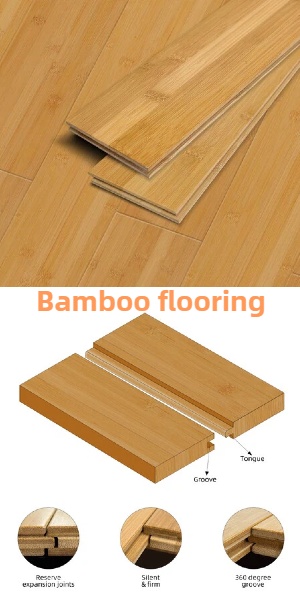
Bamboo hard flooring has gained significant popularity in recent years, and for good reason. One of the primary benefits of bamboo flooring is its unique combination of aesthetic appeal and practical functionality. The natural beauty of bamboo, with its distinctive grain patterns and warm tones, can enhance the ambiance of any space, from modern urban apartments to rustic country homes.
Unlike traditional hardwoods, bamboo offers a contemporary look that can complement various interior design styles, making it a versatile choice for homeowners and designers alike. In addition to its visual appeal, bamboo flooring is known for its remarkable strength and resilience. It is often compared to hardwoods like oak and maple in terms of durability, making it an excellent choice for high-traffic areas.
The inherent properties of bamboo allow it to withstand wear and tear, making it suitable for families with children or pets. Furthermore, bamboo’s natural resistance to moisture and pests adds to its longevity, ensuring that it remains a beautiful and functional flooring option for years to come.
Key Takeaways
- Bamboo hard flooring is a sustainable and eco-friendly option that offers numerous benefits.
- It is durable and long-lasting, making it a practical choice for high-traffic areas in homes and commercial spaces.
- Bamboo flooring comes in a variety of designs and styles, providing versatility in interior decor options.
- Low maintenance and easy to clean, bamboo flooring is a convenient choice for busy households and businesses.
- Cost-effective and budget-friendly, bamboo hard flooring offers a great value for its quality and longevity.
Eco-Friendly and Sustainable
Introduction to Eco-Friendly Bamboo Flooring
One of the most compelling reasons to choose bamboo hard flooring is its eco-friendly nature. Bamboo is a grass that grows rapidly, reaching maturity in just three to five years, compared to the decades it takes for traditional hardwood trees to grow. This rapid growth cycle makes bamboo a highly renewable resource, allowing for sustainable harvesting practices that do not deplete forests.
Sustainable Harvesting and Environmental Impact
When sourced responsibly, bamboo flooring can significantly reduce the environmental impact associated with deforestation and habitat destruction. Moreover, many manufacturers of bamboo flooring adhere to strict sustainability standards, ensuring that their products are harvested in an environmentally conscious manner. Certifications such as the Forest Stewardship Council (FSC) guarantee that the bamboo used in flooring products comes from well-managed forests.
Supporting Sustainable Practices
By choosing bamboo flooring, consumers can support sustainable practices and contribute to the preservation of natural ecosystems while enjoying the beauty and functionality of this unique material. This conscious decision can have a positive impact on the environment, promoting a healthier planet for future generations.
Conclusion and Benefits
In conclusion, bamboo flooring offers a unique combination of style, durability, and eco-friendliness, making it an attractive option for those looking to reduce their environmental footprint. With its rapid growth cycle, sustainable harvesting practices, and environmentally conscious manufacturing processes, bamboo flooring is an excellent choice for consumers who prioritize the health of our planet.
Durability and Longevity

Bamboo flooring is renowned for its durability, often outperforming traditional hardwoods in various aspects. The hardness of bamboo can be attributed to its unique cellular structure, which provides exceptional strength. Strand-woven bamboo, in particular, is engineered by compressing bamboo fibers under high pressure, resulting in a product that is significantly harder than many hardwoods.
This makes it an ideal choice for areas prone to heavy foot traffic or potential impacts. In terms of longevity, properly maintained bamboo flooring can last for decades. Its resistance to scratches and dents makes it suitable for homes with active lifestyles.
Additionally, bamboo’s natural moisture resistance helps prevent warping and swelling, which are common issues with other types of flooring materials. With regular care and maintenance, such as cleaning with a soft broom or microfiber cloth and occasional refinishing, homeowners can ensure that their bamboo floors remain in excellent condition for many years.
Versatility in Design and Style
| Category | Metrics |
|---|---|
| Design | Number of unique design elements |
| Style | Number of different style options |
| Adaptability | Ability to adapt to different environments |
| Customization | Level of customization available |
Bamboo flooring offers an impressive range of design options that cater to diverse aesthetic preferences. Available in various colors, finishes, and styles, bamboo can easily adapt to different interior design themes. From light natural tones that evoke a sense of calmness to darker stains that add warmth and sophistication, there is a bamboo flooring option for every taste.
Additionally, the unique grain patterns found in bamboo can create visual interest and depth in any room. Beyond color and finish, bamboo flooring can be installed in various patterns, such as horizontal, vertical, or herringbone layouts. This versatility allows homeowners to customize their spaces further and create unique designs that reflect their personal style.
Whether one prefers a sleek modern look or a more traditional appearance, bamboo flooring can seamlessly integrate into any design scheme, making it a popular choice among architects and interior designers.
Low Maintenance and Easy to Clean
One of the standout features of bamboo hard flooring is its low maintenance requirements. Unlike carpets that trap dust and allergens or tiles that require grout cleaning, bamboo floors are relatively easy to care for. Regular sweeping or vacuuming is typically sufficient to remove dirt and debris, while occasional damp mopping with a pH-neutral cleaner can help maintain the floor’s shine without damaging the finish.
The smooth surface of bamboo also makes it resistant to stains and spills, which is particularly advantageous in homes with children or pets. In the event of an accidental spill, cleaning up is as simple as wiping the area with a cloth. This ease of maintenance not only saves time but also contributes to a healthier living environment by reducing the accumulation of allergens and bacteria.
Cost-Effective and Budget-Friendly

When considering flooring options, cost is often a significant factor for homeowners. Bamboo hard flooring presents an attractive alternative to traditional hardwoods due to its affordability without compromising quality or aesthetics. Generally priced lower than many hardwood varieties, bamboo offers a budget-friendly solution for those looking to enhance their living spaces without breaking the bank.
In addition to its initial cost savings, bamboo flooring can also be a wise long-term investment. Its durability means that homeowners are less likely to incur expenses related to repairs or replacements over time. Furthermore, the energy-efficient properties of bamboo can contribute to lower heating and cooling costs when installed in homes with proper insulation.
This combination of affordability and longevity makes bamboo an appealing choice for budget-conscious consumers seeking high-quality flooring solutions.
Health Benefits of Bamboo Flooring
Bamboo flooring not only enhances the aesthetic appeal of a home but also contributes positively to indoor air quality. Unlike carpets that can harbor dust mites, allergens, and other pollutants, bamboo’s smooth surface does not trap these particles, making it easier to maintain a clean environment. This characteristic is particularly beneficial for individuals with allergies or respiratory issues who may be sensitive to airborne irritants.
Additionally, many bamboo flooring products are manufactured using low-VOC (volatile organic compounds) adhesives and finishes. This means that they emit fewer harmful chemicals into the air compared to some traditional flooring options. By choosing low-VOC bamboo flooring, homeowners can create a healthier living space while enjoying the beauty and functionality of this sustainable material.
Installation and Maintenance Tips for Bamboo Hard Flooring
Installing bamboo hard flooring requires careful planning and execution to ensure optimal results. Before installation begins, it is essential to acclimate the bamboo planks to the room’s temperature and humidity levels for at least 72 hours. This step helps prevent warping or buckling after installation due to changes in environmental conditions.
Additionally, selecting the appropriate underlayment can enhance sound absorption and provide added cushioning underfoot. Once installed, maintaining bamboo flooring involves simple yet effective practices. Regular sweeping or vacuuming will help keep dirt and debris at bay while preventing scratches on the surface.
For deeper cleaning, using a damp mop with a pH-neutral cleaner will preserve the finish without causing damage. It is advisable to avoid excessive water exposure as standing water can lead to swelling or warping over time. Finally, placing area rugs in high-traffic zones can help protect the floor from wear while adding an extra layer of style to the space.
In summary, bamboo hard flooring presents numerous benefits that make it an attractive choice for homeowners seeking both beauty and functionality in their living spaces. Its eco-friendly nature, durability, versatility in design, low maintenance requirements, cost-effectiveness, health benefits, and straightforward installation process all contribute to its growing popularity in modern interior design. By understanding these advantages and implementing proper care techniques, homeowners can enjoy the lasting beauty of bamboo flooring for years to come.