What Is Peel and Stick Vinyl Tile? A Beginner’s Guide
Introduction to Peel and Stick Vinyl Tile
Peel and stick vinyl tile is an increasingly popular flooring solution known for its simplicity and versatility. Designed with a self-adhesive backing, these tiles make it possible to achieve professional-looking results without hiring a contractor or requiring advanced DIY skills. This type of flooring is engineered to combine both aesthetics and functionality, offering a convenient alternative to traditional flooring materials.
The design of peel and stick vinyl tiles caters to a wide range of styles and preferences. They are available in an extensive variety of colors, patterns, and textures, including realistic wood grains, stone looks, and decorative geometric designs. These options enable homeowners and designers to customize spaces easily while staying within budget. The tiles are lightweight, making them easier to handle and install compared to other flooring materials, such as ceramic or hardwood.
Durability is another feature of peel and stick flooring. Thanks to their multi-layer construction, they offer resistance to wear and tear, moisture, and stains. Most options are made with a top wear layer that protects against scratches and fading, ensuring they maintain their appearance over time. Additionally, peel and stick tiles are designed for use in various areas, including kitchens, bathrooms, and living rooms.
The installation process for peel and stick vinyl tiles is straightforward, requiring only a clean, flat surface. Because they do not require additional adhesives or special tools, they are ideal for renters or individuals seeking temporary or cost-effective flooring solutions. With minimal preparation and effort, these tiles allow for quick transformation of any room.
Understanding the Composition of Peel and Stick Vinyl Tiles
Peel and stick vinyl tiles are constructed using multiple layers that work together to provide durability, functionality, and an appealing aesthetic. Their layered design is essential to their performance, ensuring longevity while maintaining an easy installation process. Each of these layers is designed with a specific purpose, contributing to the overall quality of the tile.
At the base of the tile lies the backing layer, typically made of a sturdy material like PVC. This serves as the foundation, providing stability and ensuring the tile’s structural integrity. The backing layer also features the adhesive coating, which has been pre-applied for easy installation. The adhesive is pressure-sensitive, allowing for strong bonding to various surfaces, from concrete to plywood.
Above the backing layer is the vinyl core layer, which is the core component of the tile. It comprises a flexible yet dense mixture of polyvinyl chloride (PVC) and plasticizers. This layer contributes to the tile’s durability, helping it resist wear, tear, and moisture. Many high-quality peel and stick tiles incorporate a rigid vinyl core to enhance dimensional stability, minimizing the risk of warping over time.
The next layer is the printed design layer, which provides the visual appeal of the tile. Advanced printing technology is used to replicate textures, patterns, and finishes, such as wood, stone, or ceramic. The design layer allows homeowners to achieve high-end looks at a fraction of the cost without sacrificing style.
Finally, the wear layer protects the printed design while adding a smooth finish. This transparent top layer is typically made of urethane or similar compounds, providing resistance to scratches, stains, and general abrasion. Some tiles integrate UV protection into the wear layer to reduce fading from sunlight exposure.
Each of these carefully engineered layers plays a critical role in making peel and stick vinyl tiles a versatile, durable, and visually appealing flooring solution.
Key Features and Benefits of Peel and Stick Vinyl Tiles
Peel and stick vinyl tiles are a popular flooring solution due to their ease of application and versatility. They offer a range of features that make them an ideal choice for both residential and commercial spaces.
Key Features
Self-Adhesive Backing: Peel and stick vinyl tiles come with a pre-applied adhesive layer on the back, eliminating the need for messy glues or additional adhesives. This feature simplifies the installation process dramatically.Durability: They are designed to withstand regular wear and tear, making them a long-lasting flooring option. Many tiles are resistant to scratches, stains, and moisture, further enhancing their durability.Variety in Designs: These tiles are available in a broad range of colors, patterns, and textures, including wood and stone designs, allowing users to achieve the desired aesthetic without the cost of natural materials.Flexible Sizing: Peel and stick tiles come in various sizes and shapes, providing flexibility for different room layouts or unique design choices.
Benefits
Easy Installation: With no special tools required and minimal preparation needed, homeowners can easily install these tiles themselves, saving time and labor costs. They are an excellent choice for DIY projects.Cost-Effective Solution: Compared to traditional flooring options, peel and stick vinyl tiles are significantly more affordable without compromising on quality.Low Maintenance: Cleaning and maintaining the tiles is straightforward—regular sweeping and occasional mopping are usually sufficient to keep them looking new.Temporary or Permanent Use: They can be used for both short-term and long-term applications, making them suitable for renters or anyone seeking quick renovations.Compatibility with Surfaces: Peel and stick vinyl tiles can adhere to a variety of flat surfaces, such as concrete, plywood, or even existing flooring, provided it is smooth and free of debris.
This combination of features and benefits makes peel and stick vinyl tiles an attractive and practical option for modern flooring needs.
Pros and Cons of Using Peel and Stick Vinyl Flooring
Peel and stick vinyl flooring has gained popularity due to its convenience and affordability, but it comes with its own set of advantages and disadvantages.
Pros
Ease of Installation: Peel and stick vinyl tiles are designed for quick and simple installation, requiring no special tools or professional assistance. The adhesive backing allows users to just peel the backing off and press the tile directly onto the prepared surface.
Cost-Effective Choice: Compared to traditional flooring materials, this vinyl option is significantly more affordable, making it ideal for budget-conscious DIYers.
Variety of Styles: Available in a wide range of colors, patterns, and textures, peel and stick vinyl flooring can mimic more expensive materials like hardwood, stone, or ceramic tile.
Low Maintenance: Cleaning peel and stick vinyl floors is straightforward, as the surfaces are water-resistant and stain-resistant. Regular sweeping and mopping are typically sufficient to keep them looking new.
Lightweight and Flexible: This flooring is ideal for small or irregular spaces, as the tiles can be easily cut to size with a utility knife and fit into tight corners or angles.
Temporary Flooring Option: Its ability to be removed without damaging the subfloor makes it a great choice for renters or those looking for a temporary renovation.
Cons
Durability Concerns: While peel and stick vinyl is economical, it may not offer the same long-term durability as other flooring materials. Heavy foot traffic or sharp objects can cause wear and tear more quickly.
Susceptibility to Damage: Unlike thicker flooring options, it may be prone to scratches, dents, or peeling, particularly if installed on uneven or poorly prepared surfaces.
Limited Longevity: High-quality versions can last longer, but budget peel and stick tiles typically have a shorter lifespan than traditional flooring options.
Difficult Adhesion on Certain Surfaces: If the subfloor is dirty, uneven, or too porous, the adhesive backing may not stick properly, leading to lifting or curling edges over time.
Moisture Sensitivity: Although water-resistant, these tiles are not entirely waterproof. Excess moisture exposure can weaken the adhesive bond or cause damage to the tiles.
Lower Resale Value: Potential homebuyers may perceive peel and stick vinyl as a lower-quality option, which could affect resale appeal compared to higher-end flooring materials.
Step-by-Step Guide to Installing Peel and Stick Vinyl Tile
Installing peel and stick vinyl tile is a straightforward process that requires minimal tools and preparation. Follow these steps to achieve a professional finish:
1. Gather Necessary Tools and Materials
Before beginning, assemble the required tools and materials:
Peel and stick vinyl tilesUtility knife or vinyl cutterMeasuring tapeStraight edge or rulerPencil or chalkCleaning supplies (broom, mop, or vacuum)Optional: Level and floor roller
2. Prepare the Subfloor
Clean the floor thoroughly to remove dirt, dust, grease, and debris. Use a broom or vacuum, followed by a damp mop. Allow the floor to dry completely.Ensure the subfloor is flat, smooth, and free of imperfections. Fill any cracks or holes with a floor patching compound, and sand down protrusions if necessary.Test for compatibility if installing over an existing floor. Certain surfaces, like heavily-textured tiling or carpeting, may require removal or additional underlayment.
3. Plan Tile Layout
Measure the room dimensions to determine the center starting point.Find the center of the floor by snapping chalk lines from opposite walls. This ensures the tiles are evenly aligned across the space.Perform a dry layout by arranging several tiles along the chalk guidelines without adhesive. This will help you visualize the design and minimize needing to cut tiles.
4. Cut Tiles as Needed
Use a utility knife and straight edge to cut tiles for edges, corners, or custom fits around obstacles. Score the tile first, then gently bend it to break along the scored line.Double-check measurements before cutting to prevent errors.
5. Install the Tiles
Peel the backing from the first tile and carefully align it with the marked center point. Press down firmly to secure it.Continue placing tiles edge-to-edge, ensuring there are no gaps. Maintain alignment with your chalk lines.For optimal adhesion, press each tile firmly with your hands or use a floor roller to eliminate air pockets.
6. Finish the Installation
Trim any excess edges carefully for a polished look.Inspect the completed floor for gaps or misaligned tiles, and make any necessary adjustments.Avoid heavy foot traffic for 24-48 hours to allow the adhesive to set properly.
Best Surfaces for Installing Peel and Stick Vinyl Tile
Peel and stick vinyl tiles are versatile and convenient, but their performance heavily depends on the surface they are installed on. For optimal results, it is essential to understand which surfaces are ideal for adhesion and longevity.
Suitable Surfaces for Peel and Stick Vinyl Tile
Smooth Concrete FloorsSmooth, clean concrete provides an excellent base for peel and stick vinyl tiles. It offers a firm, non-flexing surface, ensuring tiles stay securely attached. It is important to ensure the concrete is free of dust, oil, or debris and is thoroughly dry before installation.
Plywood or Underlayment BoardsPlywood or underlayment that has been properly sanded and cleaned can serve as a reliable foundation. These materials create a stable and level surface, which is critical for long-term adhesion. Choose a moisture-resistant underlayment to prevent potential issues with humidity.
Existing Vinyl FlooringIn many cases, peel and stick vinyl tiles can be installed directly over old vinyl flooring, provided it is in good condition. The surface must be clean, smooth, and flat, with no loose edges or significant wear. Using a high-quality adhesive primer on the existing vinyl may improve bonding.
Tile Flooring (with Conditions)Ceramic or porcelain tile can sometimes be an acceptable surface, but the grout lines must be filled with a leveling compound to create a uniform base. The tiles must be thoroughly cleaned and degreased to promote proper tile adhesion.
Surfaces to Avoid
CarpetingCarpet is not suitable due to its soft and uneven nature. It lacks the rigidity needed for proper tile application.Textured SurfacesTextured or uneven surfaces, such as stucco or rough wood, hinder adhesion and result in an uneven finish.Wet or Moist FloorsMoisture compromises the adhesive, reducing the effectiveness of the tiles and leading to potential failure.
Preparing the surface properly before installation is critical for ensuring peel and stick vinyl tiles remain durable and firmly in place.
Tips for Preparing Your Floor Before Installation
Proper floor preparation is essential to ensure peel and stick vinyl tiles adhere correctly and provide long-lasting results. Following the necessary steps will create a smooth surface free of imperfections that could interfere with the installation process.
Clean the SurfaceBegin by thoroughly cleaning the floor where the tiles will be installed. Dirt, dust, grease, and debris can compromise the adhesive bond, so removing these elements is critical. Use a vacuum or broom to eliminate large particles, followed by a mop and mild detergent to tackle any stubborn grime. Allow the surface to dry completely, as moisture can prevent the tiles from sticking firmly.
Inspect for DamageCheck the subfloor for cracks, holes, or irregularities. Peel and stick vinyl tiles require a flat and stable base for optimal results. Any damage to the surface should be repaired before proceeding. Fill cracks or gaps with an appropriate filler, such as patching compound, and sand down uneven areas to achieve a smooth finish.
Ensure a Level SubstrateAn uneven surface can lead to misaligned tiles and weaken the adhesive over time. Use a level to confirm the floor is even. If discrepancies are found, apply a self-leveling compound to address the issue. Let it cure according to the manufacturer’s directions before moving forward.
Test AdhesionSome subfloor materials, such as concrete or wood, may require extra preparation to enhance tile adherence. Conduct a small test by applying a sample tile to the surface. If the tile does not stick properly, additional measures such as applying a primer or sanding the surface may be necessary.
Remove Old Flooring (If Applicable)If existing flooring, such as carpet or heavily damaged vinyl, is present, it should typically be removed. Old adhesives, staples, and residues left behind must also be eliminated to avoid adhesion complications. For certain types of floors, such as ceramic tiles in good condition, peel and stick tiles can sometimes be applied directly as long as the surface is clean and even.
By adhering to these preparation steps, homeowners can lay a solid foundation for successful installation. Properly prepared floors not only enhance the durability and appearance of the vinyl tiles but also help to reduce potential issues post-installation.
Maintaining and Cleaning Peel and Stick Vinyl Tile
Proper maintenance and cleaning of peel and stick vinyl tile are essential to preserve its appearance, durability, and functionality. Regular care ensures the tiles remain attractive while extending their lifespan. To achieve optimal results, it is important to use suitable cleaning techniques and materials.
Routine Maintenance
Sweep or vacuum daily: Dust, dirt, and debris can accumulate on the surface, leading to potential scratching over time. Use a soft-bristle broom or a vacuum cleaner with a setting specifically designed for hard floors.Use mats and rugs: Placing area rugs or doormats near entrances and high-traffic areas can minimize dirt and moisture buildup.Avoid prolonged water exposure: Though peel and stick vinyl tiles are water-resistant, excessive moisture can weaken adhesive bonds. Quickly clean up spills to prevent damage.
Cleaning Techniques
Gentle mopping: Use a damp—not soaking—microfiber mop to clean the tiles. A mixture of warm water and a few drops of mild dish soap works well for general upkeep.Spot cleaning for stains: For tougher stains, a mix of water and white vinegar can be highly effective. Test the solution on an inconspicuous tile area before applying it universally.Avoid harsh cleaners: Abrasive cleaners, waxing products, or ammonia-based solutions can damage the vinyl surface or cause discoloration. Opt for pH-neutral cleaners designed for use on vinyl flooring.
Preventative Care
Furniture padding: Place felt pads under furniture legs to prevent dents or scratches when moving heavy items.Regular inspections: Check for loose edges or corners periodically. Re-secure with additional adhesive as needed to maintain a seamless finish.Sunlight protection: Continuous exposure to direct sunlight can cause fading. Consider using curtains or blinds to reduce UV impact.
Careful adherence to these maintenance and cleaning practices helps keep peel and stick vinyl tile looking pristine and performing effectively under various conditions.
Common Mistakes to Avoid During Installation
Proper installation of peel and stick vinyl tiles ensures long-lasting results, but there are several mistakes that can compromise the final look or durability. Being aware of these common errors helps prevent unnecessary headaches later. Below is a breakdown of key points to watch out for during installation.
1. Neglecting to Prepare the Subfloor
One of the most frequent errors is failing to prepare the subfloor properly. Installing peel and stick vinyl tiles on dirty, uneven, or damp surfaces can compromise adhesion and result in tiles peeling over time. Subfloor preparation involves cleaning thoroughly, ensuring the surface is smooth, and repairing any cracks or holes. Moisture levels should also be checked to avoid warping or bubbling.
2. Skipping Acclimation
Peel and stick vinyl tiles need time to acclimate to the room’s temperature and humidity before installation. Skipping this step may cause the tiles to expand or contract after being installed, leading to gaps or buckling. Allowing the tiles to sit in the room for at least 24–48 hours prior to installation ensures stability.
3. Not Measuring Correctly
Improper measurements can create alignment issues or leave mismatched edges. Failing to measure and mark out a clear grid or starting point often results in skewed layouts, especially in large spaces. Careful planning—not “eyeballing”—is critical for achieving a professional finish.
4. Misaligned or Rushed Tile Placement
Once a tile is placed, repositioning it can weaken the adhesive. Hurrying through the process often leads to crooked placements or visible gaps between tiles. Working patiently and pressing tiles down securely ensures a cohesive appearance.
5. Ignoring Manufacturer Guidelines
Each peel and stick vinyl tile product comes with specific instructions, such as recommended tools, installation temperature, and adhesive cure time. Overlooking these guidelines can void warranties and affect performance. Always read and follow the manufacturer’s recommendations.
6. Forgetting to Seal the Edges
While sealing edges is not always obligatory, it can prevent dirt or moisture from seeping underneath tiles—especially in high-traffic or wet areas. Neglecting this step may shorten the lifespan of the installation.
To achieve a polished, durable result, installers must take their time, follow best practices, and avoid these common errors.
Comparing Peel and Stick Vinyl Tile to Other Flooring Options
When evaluating peel and stick vinyl tile against other flooring options, several factors come into consideration, including cost, durability, installation, and aesthetic appeal. These comparisons provide a clearer perspective on where this versatile flooring fits into the broader landscape of home improvement materials.
Cost
Peel and stick vinyl tile generally offers one of the most budget-friendly flooring solutions while still delivering quality designs. Traditional ceramic tiles, by contrast, can be significantly more expensive due to both material and labor expenses. Hardwood flooring also tends to carry a high price tag, not just for the material itself but also for the installation and long-term maintenance.
Durability
In terms of durability, peel and stick vinyl tile performs well under light to moderate foot traffic. However, it may not be as long-lasting as luxury vinyl planks (LVP) or hardwood flooring, which can endure decades with proper care. It is also less resistant to heavy impacts compared to ceramic or porcelain tiles. For spaces like kitchens and bathrooms, where exposure to water is common, peel and stick vinyl typically holds up better than laminate, although it may fall short of the moisture resistance of tile.
Installation
Peel and stick vinyl tile is exceptionally easy to install, even for DIY enthusiasts. Its adhesive backing eliminates the need for grout, nails, or complex tools, which simplifies the process. By comparison, ceramic and porcelain tiles require precision, significant time, and technical expertise for proper installation. Hardwood flooring and LVP installations, too, often demand professional equipment and skills, translating to higher labor costs.
Aesthetic Appeal
While peel and stick vinyl tiles have made strides in mimicking natural materials like wood and stone, their appearance may not perfectly replicate the authentic texture and richness of hardwood, ceramic, or natural stone flooring. However, they offer a wide variety of designs and patterns that other flooring types may not provide, making them a creative and flexible choice for customized spaces. Laminate flooring may rival vinyl’s aesthetic range, but the latter is easier to maintain.
Transitioning between practicality and design considerations, peel and stick vinyl tile holds a unique position. It offers affordability, ease of use, and versatility, making it a frequent recommendation for budget-conscious homeowners.
A Budget-Friendly Alternative: Cost Analysis of Peel and Stick Vinyl Tiles
Peel and stick vinyl tiles provide an affordable flooring solution for homeowners and renters alike, often costing significantly less than traditional materials such as hardwood, ceramic, or stone. The cost per square foot for peel and stick vinyl tiles generally ranges from \(0.50 to \)2.50, depending on the product’s design, thickness, and brand. This price point makes them a particularly attractive option for individuals undertaking budget-conscious renovation projects.
When compared to professionally installed flooring, the cost savings are substantial. Traditional ceramic tile can range between \(5 to \)10 per square foot for materials, with additional labor costs averaging \(4 to \)14 per square foot depending on the complexity of installation. By contrast, peel and stick vinyl tiles are designed for easy DIY application, eliminating labor expenses entirely. This feature alone positions them as a cost-efficient alternative, especially for small- to medium-sized spaces.
Additional savings can also be found in the tools and maintenance required. Unlike standard tile installations that may demand specialized tools like wet saws, grout spreaders, and spacers, peel and stick tiles require only basic tools such as a utility knife, measuring tape, and possibly a straightedge. Maintenance costs are minimal as well, given their durability and resistance to moisture, stains, and dents.
Peel and stick vinyl tiles also reduce the need for underlayment in many cases, which is typically required with other types of flooring to improve stability and insulation. This further lowers overall expenses and simplifies the installation process. Moreover, with many styles mimicking the appearance of premium materials like wood, marble, or slate, they offer aesthetic value without sacrificing affordability. For those seeking cost-effective yet customizable flooring options, peel and stick vinyl tiles deliver a practical and economical choice.
Popular Design Styles and Patterns for Peel and Stick Vinyl Tiles
Peel and stick vinyl tiles are available in a wide range of design styles and patterns, making them a versatile choice for various decor preferences. Homeowners and interior designers can choose from options that mimic popular materials like wood, stone, and ceramic, as well as modern and retro-inspired designs. The diverse selection ensures there is a design suitable for nearly any aesthetic or functional need.
1. Wood-Look Patterns
Wood-look peel and stick tiles are among the most popular options. They replicate natural hardwood flooring, offering finishes such as oak, walnut, and cherry. These tiles often feature textures that mimic real wood grains, giving a realistic and rustic feel to spaces without the higher cost or maintenance of real wood.
2. Stone and Marble-Inspired Designs
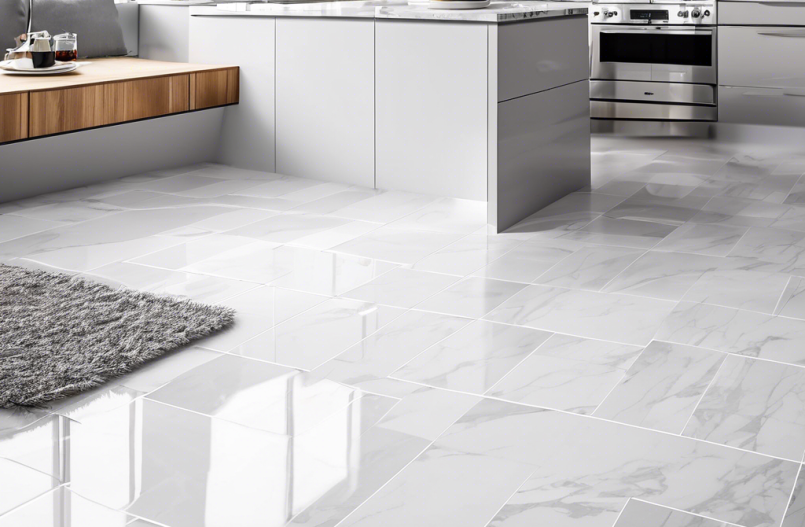
Stone and marble-effect tiles bring elegance to floors and walls without the weight or price tag of natural materials. Marble-inspired designs often include intricate veining in shades of white, gray, or black, creating a sophisticated appearance. For an earthy look, stone-style options may include textures resembling slate or travertine.
3. Geometric and Patterned Tiles
For bold and creative accents, geometric and patterned tiles remain a top choice. These tiles feature striking shapes such as hexagons, chevrons, or arabesques. Additionally, classic patterns like herringbone and basket weave offer depth and dimension to modern interiors.
4. Retro and Vintage Aesthetics
Retro-inspired designs bring nostalgia to kitchens, bathrooms, and living spaces. Checkerboard tiles in black and white, colorful mid-century patterns, and decorative motifs are favorites for creating a playful and timeless look.
5. Minimalist and Neutral Tones
For those who favor contemporary aesthetics, minimalist designs in neutral tones like gray, beige, or matte white are widely available. These styles provide a clean and understated backdrop, ideal for a sleek and modern decor.
The extensive variety of peel and stick vinyl tile designs ensures a manageable solution for achieving both functional and visually striking results in any space.
Environmental Impact and Sustainability of Peel and Stick Vinyl Flooring
Peel and stick vinyl flooring has grown in popularity due to its affordability and ease of installation, but its environmental impact raises important considerations. These tiles are typically composed of synthetic materials, primarily polyvinyl chloride (PVC), which is derived from petroleum. The production of PVC involves significant energy consumption and the release of greenhouse gases, contributing to environmental degradation. Additionally, the manufacturing process often includes the use of chemical stabilizers and plasticizers, which may leach harmful substances over time.
Waste generation is another factor to evaluate. Vinyl flooring is not biodegradable and often ends up in landfills at the end of its lifecycle. Peel and stick variants, with their adhesive backing, are generally difficult to recycle. This limits opportunities for reuse or repurposing, further exacerbating environmental concerns. While some manufacturers attempt to address this by offering take-back programs or producing recyclable options, these initiatives are not yet industry-wide standards.
However, advancements in technology are paving the way for more eco-friendly versions of peel and stick vinyl flooring. Some companies have started integrating recycled materials into their products, reducing the demand for virgin resources. Lower-emission production methods and non-toxic adhesives are also being adopted to mitigate health and environmental risks. Consumers are encouraged to seek flooring options that carry certifications like FloorScore or GREENGUARD, which verify lower levels of volatile organic compounds (VOCs), ensuring improved indoor air quality.
When assessing sustainability, durability plays a key role. Higher-quality peel and stick tiles, when properly maintained, may reduce the need for frequent replacements, thereby minimizing waste generation. Additionally, responsible disposal practices, such as donating leftover materials to nonprofits, can further lessen the environmental footprint.
Frequently Asked Questions About Peel and Stick Vinyl Tiles
1. What surfaces can peel and stick vinyl tiles be applied to?
Peel and stick vinyl tiles are designed to adhere to flat, smooth, and clean surfaces. Commonly suitable substrates include concrete, plywood, and existing vinyl flooring. Surfaces like textured walls, uneven concrete, or heavily damaged floors might not provide an adequate foundation. To ensure proper adhesion, the surface should be free of dust, oil, and moisture before installation.
2. Are peel and stick vinyl tiles waterproof?
While most peel and stick vinyl tiles are water-resistant, not all are completely waterproof. Many products are designed to withstand spills, splashes, and humidity, making them suitable for spaces like kitchens or bathrooms. However, prolonged exposure to standing water may compromise the adhesive and cause lifting. Checking the product specifications for waterproof ratings is recommended before installation in high-moisture areas.
3. Can peel and stick vinyl tiles be removed easily?
Peel and stick vinyl tiles are crafted for semi-permanent installation. While they can be removed, the process may leave a sticky residue, particularly on porous surfaces. Some tiles may require the use of a heat gun or adhesive remover to make the removal process easier. Proper care during installation helps minimize potential damage to the original surface.
4. How durable are peel and stick vinyl tiles?
Durability depends on the tile’s quality and the level of foot traffic in the area. Premium options typically include wear layers that resist scratches, dents, and stains. While budget-friendly tiles may show signs of wear over time, well-maintained tiles can last several years, especially in low-traffic areas.
5. Can peel and stick vinyl tiles be used in outdoor spaces?
These tiles are generally intended for indoor use only. Exposure to extreme temperatures, direct sunlight, and weather elements can damage the adhesive and cause the tiles to warp or fade. For outdoor applications, alternative materials designed specifically for such conditions should be considered.
6. Is professional installation necessary?
Peel and stick vinyl tiles are marketed as a DIY-friendly option, eliminating the need for professional installation in most cases. The process involves minimal tools or expertise, making it suitable for beginners. However, for custom designs or complex layouts, professional input might be beneficial to achieve optimal results.
Conclusion: Is Peel and Stick Vinyl Tile Right for You?
Peel and stick vinyl tile offers an accessible and versatile flooring option, making it an appealing choice for a variety of spaces and needs. Its affordability and practicality allow homeowners to achieve a modern, finished look without the challenges associated with traditional flooring installations. Designed with convenience in mind, these tiles require minimal tools and skill, catering to those seeking a DIY-friendly option. Additionally, their lightweight structure and adhesive backing make them easy to handle and install.
When assessing its suitability, durability stands as a significant consideration. Peel and stick vinyl tiles are best suited for low- to medium-traffic areas, but higher-quality options may also withstand moderate wear and tear. While they are water-resistant and suitable for damp spaces like bathrooms or kitchens, longevity in humid environments will depend on the tile’s quality and the proper preparation of the subfloor.
Another factor to consider is its aesthetic versatility. Peel and stick vinyl tiles come in a wide range of colors, patterns, and finishes, allowing homeowners to create almost any desired look. From simulating the appearance of hardwood to providing bold, contemporary designs, the material offers endless customization opportunities. However, for those seeking a long-term solution or the most realistic finishes, premium options or professional-grade materials may be more fitting.
Ultimately, suitability depends on individual priorities, such as budget, intended use, and level of maintenance commitment. With proper installation and care, peel and stick vinyl tiles can serve as a stylish and functional solution, fulfilling both aesthetic and practical needs.