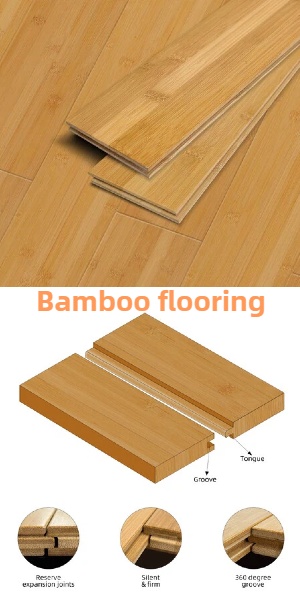
Bamboo hardwood flooring is increasingly recognized for its environmental advantages, making it a popular choice among eco-conscious homeowners. One of the most significant benefits of bamboo is its rapid growth rate. Unlike traditional hardwood trees, which can take decades to mature, bamboo can reach full height in just three to five years.
This fast growth means that bamboo can be harvested sustainably without depleting forests, allowing for a renewable resource that can be replenished quickly. Furthermore, bamboo absorbs carbon dioxide at a higher rate than many trees, contributing positively to the environment by helping to mitigate climate change. In addition to its rapid growth, bamboo cultivation requires fewer pesticides and fertilizers compared to conventional hardwood forestry.
This reduced need for chemical inputs not only benefits the surrounding ecosystem but also results in cleaner air and water. Bamboo also has a unique root system that helps prevent soil erosion, making it an excellent choice for areas prone to land degradation. By choosing bamboo hardwood flooring, homeowners can support sustainable agricultural practices and contribute to the preservation of natural habitats.
Key Takeaways
- Bamboo hardwood flooring is a sustainable and eco-friendly option, as bamboo is a fast-growing and renewable resource.
- Bamboo hardwood flooring offers a wide range of stylish and versatile design options, including different colors, finishes, and plank sizes.
- Bamboo hardwood flooring is known for its durability and longevity, making it a practical choice for high-traffic areas in the home.
- Low maintenance and easy care are key benefits of bamboo hardwood flooring, as it is resistant to stains and easy to clean.
- Bamboo hardwood flooring is cost-effective, offering a budget-friendly option for homeowners looking for a durable and stylish flooring solution.
The Stylish and Versatile Design Options of Bamboo Hardwood Flooring
Bamboo hardwood flooring offers a wide array of design options that cater to various aesthetic preferences, making it a versatile choice for any interior space. Available in different colors, grains, and finishes, bamboo can complement both modern and traditional decor styles. Natural bamboo has a light, airy appearance that can brighten up a room, while carbonized bamboo, which undergoes a heating process to achieve a darker hue, adds warmth and richness to interiors.
This variety allows homeowners to select flooring that aligns with their personal style and enhances the overall ambiance of their living spaces. Moreover, bamboo flooring can be manufactured in various plank sizes and widths, providing additional customization options. Wide planks can create a more contemporary look, while narrower strips may evoke a classic feel.
The unique grain patterns found in bamboo also add character and visual interest to floors. Whether one prefers a sleek, minimalist design or a more rustic aesthetic, bamboo hardwood flooring can be tailored to meet diverse design needs, making it an appealing choice for any renovation project.
The Durability and Longevity of Bamboo Hardwood Flooring

When it comes to durability, bamboo hardwood flooring stands out as a robust option for residential and commercial spaces alike. With a Janka hardness rating that often exceeds that of traditional hardwoods like oak or maple, bamboo is highly resistant to dents and scratches. This inherent strength makes it suitable for high-traffic areas such as living rooms, hallways, and even commercial settings where durability is paramount.
Homeowners can enjoy peace of mind knowing that their flooring can withstand the rigors of daily life without showing significant wear. In addition to its hardness, bamboo flooring is also less prone to warping and shrinking compared to conventional hardwoods. This stability is particularly beneficial in regions with fluctuating humidity levels, as it minimizes the risk of gaps or buckling over time.
With proper care and maintenance, bamboo flooring can last for decades, making it a long-term investment for homeowners. Its resilience not only enhances its appeal but also contributes to its cost-effectiveness over time.
The Low Maintenance and Easy Care of Bamboo Hardwood Flooring
| Benefits of Bamboo Hardwood Flooring | Details |
|---|---|
| Low Maintenance | Requires regular sweeping and occasional mopping |
| Durability | Harder than many hardwoods, resistant to scratches and dents |
| Easy Care | Stain and spill resistant, easy to clean |
| Sustainability | Renewable resource, eco-friendly option |
One of the standout features of bamboo hardwood flooring is its low maintenance requirements. Unlike carpets that trap dust and allergens or tile that may require grout cleaning, bamboo floors are relatively easy to care for. Regular sweeping or vacuuming is typically sufficient to remove dirt and debris, while occasional damp mopping with a pH-neutral cleaner keeps the surface looking fresh and vibrant.
This ease of maintenance makes bamboo an attractive option for busy households or those who prefer a more hands-off approach to home care. Additionally, bamboo’s natural resistance to moisture makes it less susceptible to mold and mildew compared to other flooring materials. While it is essential to avoid excessive water exposure, spills can be quickly wiped up without fear of long-term damage.
This characteristic not only simplifies cleaning routines but also contributes to a healthier indoor environment by reducing the likelihood of allergens accumulating in the home.
The Cost-Effectiveness of Bamboo Hardwood Flooring
Bamboo hardwood flooring presents an appealing cost-effective alternative to traditional hardwood options. While the initial investment may vary depending on the quality and brand, bamboo generally falls within a similar price range as mid-tier hardwoods. However, its durability and longevity often translate into lower long-term costs due to reduced replacement frequency and maintenance expenses.
Homeowners can enjoy the aesthetic benefits of hardwood flooring without breaking the bank while also benefiting from the resilience that bamboo offers. Moreover, many manufacturers offer warranties on bamboo flooring products that can extend up to 25 years or more, further enhancing its value proposition. This assurance provides homeowners with confidence in their purchase, knowing that they are investing in a product designed to withstand the test of time.
When considering both upfront costs and long-term savings, bamboo hardwood flooring emerges as a financially savvy choice for those looking to enhance their living spaces.
The Installation Process of Bamboo Hardwood Flooring

Types of Bamboo Flooring
Bamboo flooring typically comes in two forms: solid and engineered. Solid bamboo planks are made entirely from bamboo fibers, while engineered bamboo consists of a plywood base topped with a layer of bamboo veneer.
Installation Methods
Each type has its own installation requirements; however, both can be installed using similar methods such as nail-down, glue-down, or floating techniques. For those opting for a DIY approach, floating installation is particularly popular due to its ease and minimal need for specialized tools. This method involves laying planks over an underlayment without attaching them directly to the subfloor, allowing for natural expansion and contraction with changes in humidity.
Pre-Installation Preparation
It is essential to acclimate the bamboo planks before installation by allowing them to adjust to the room’s temperature and humidity levels for several days. Proper acclimation helps prevent issues such as warping or buckling after installation.
The Health Benefits of Bamboo Hardwood Flooring
Bamboo hardwood flooring not only enhances the aesthetic appeal of a home but also contributes positively to indoor air quality and overall health. Unlike carpets that can harbor dust mites, allergens, and pet dander, bamboo floors are smooth and easy to clean, reducing the accumulation of these irritants. This characteristic makes bamboo an excellent choice for individuals with allergies or respiratory issues who seek a healthier living environment.
Additionally, many bamboo flooring products are manufactured using low-VOC (volatile organic compounds) adhesives and finishes. These environmentally friendly options minimize harmful emissions that can negatively impact indoor air quality. By choosing low-VOC bamboo flooring, homeowners can create a safer atmosphere for their families while still enjoying the beauty and durability that bamboo has to offer.
The Importance of Choosing Sustainable Materials for Home Renovations
In an era where environmental consciousness is paramount, selecting sustainable materials for home renovations has become increasingly important. The construction industry is one of the largest contributors to global waste and carbon emissions; therefore, making informed choices about building materials can significantly impact ecological footprints. Bamboo hardwood flooring exemplifies this commitment to sustainability by providing an eco-friendly alternative that supports responsible forestry practices.
By opting for sustainable materials like bamboo, homeowners not only reduce their environmental impact but also promote awareness within their communities about the importance of eco-friendly choices. As more individuals prioritize sustainability in their renovation projects, the demand for renewable resources will continue to grow, encouraging manufacturers to adopt greener practices across the industry. Ultimately, choosing sustainable materials is not just about personal preference; it reflects a broader commitment to preserving our planet for future generations while enhancing the beauty and functionality of our living spaces.