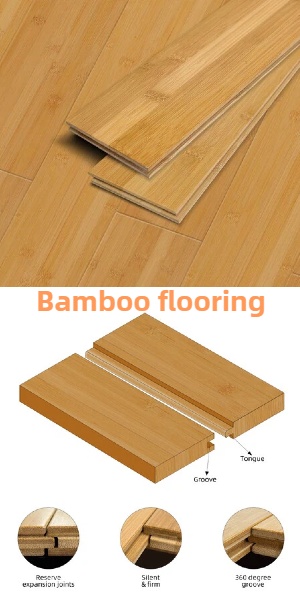
Bamboo flooring has emerged as a popular choice among homeowners and designers alike, thanks to its unique combination of sustainability, durability, and aesthetic appeal. Unlike traditional hardwood flooring, which is sourced from slow-growing trees, bamboo is derived from a fast-growing grass species that can reach maturity in just three to five years. This rapid growth cycle makes bamboo an environmentally friendly alternative to conventional wood flooring, appealing to those who prioritize eco-conscious living.
As the demand for sustainable building materials continues to rise, bamboo flooring stands out as a viable option that meets both functional and aesthetic needs. The manufacturing process of bamboo flooring involves harvesting the bamboo stalks, which are then processed into planks or tiles. These planks can be engineered or solid, depending on the desired application and installation method.
The versatility of bamboo allows it to be used in various settings, from residential homes to commercial spaces. With a range of colors and finishes available, bamboo flooring can complement any interior design style, making it a favored choice for many. As we delve deeper into the benefits of bamboo flooring, it becomes clear that its advantages extend far beyond its visual appeal.
Key Takeaways
- Bamboo flooring is a sustainable and eco-friendly alternative to traditional hardwood flooring, as bamboo is a fast-growing and renewable resource.
- Bamboo flooring is known for its environmental benefits, as it helps to reduce deforestation and carbon emissions.
- Bamboo flooring is highly durable and can last for many years with proper care and maintenance, making it a long-term investment for homeowners.
- The natural beauty and unique grain patterns of bamboo flooring add a touch of elegance and warmth to any space.
- Bamboo flooring is hypoallergenic, antimicrobial, and easy to clean, making it a healthy choice for those with allergies or respiratory issues.
Environmental Benefits of Bamboo Flooring
Sustainable Resource
Bamboo is a renewable resource that grows significantly faster than traditional hardwood trees. While hardwoods can take decades or even centuries to mature, bamboo can be harvested every three to five years without causing long-term damage to the ecosystem.
Reducing Deforestation and Carbon Emissions
This rapid growth not only ensures a sustainable supply but also helps reduce deforestation pressures on ancient forests, which are vital for biodiversity and carbon sequestration. Moreover, bamboo has a remarkable ability to absorb carbon dioxide from the atmosphere during its growth cycle. Studies have shown that bamboo can sequester up to 35% more carbon dioxide than an equivalent area of hardwood forest.
Responsible Sourcing
This characteristic makes bamboo an effective tool in combating climate change, as it contributes to reducing greenhouse gas emissions. Additionally, many bamboo flooring manufacturers adhere to sustainable harvesting practices and certifications, such as the Forest Stewardship Council (FSC), ensuring that their products are sourced responsibly and ethically.
Durability and Longevity of Bamboo Flooring

When it comes to durability, bamboo hardwood flooring is often compared favorably to traditional hardwoods. The hardness of bamboo varies depending on the species and the manufacturing process used. Strand-woven bamboo, for instance, is particularly renowned for its strength and resilience.
This type of bamboo flooring is created by compressing strands of bamboo fibers under high pressure, resulting in a product that can be significantly harder than oak or maple. As a result, strand-woven bamboo is highly resistant to dents and scratches, making it an excellent choice for high-traffic areas in homes or commercial spaces. In addition to its hardness, bamboo flooring is also less prone to warping and swelling compared to traditional hardwoods.
This stability is particularly beneficial in regions with fluctuating humidity levels. Properly installed and maintained bamboo flooring can last for decades, often exceeding the lifespan of conventional wood floors. Many manufacturers offer warranties ranging from 25 years to a lifetime, reflecting their confidence in the product’s durability.
This longevity not only enhances the value of a property but also reduces the need for frequent replacements, further contributing to its eco-friendly profile.
Aesthetic Appeal of Bamboo Flooring
| Aspect | Metric |
|---|---|
| Color | Natural, Carbonized, Stained |
| Grain Pattern | Straight, Vertical, Horizontal |
| Texture | Smooth, Distressed, Hand-Scraped |
| Finish | Matte, Semi-Gloss, High-Gloss |
| Width | Standard, Wide Plank |
The aesthetic appeal of bamboo flooring is another significant factor driving its popularity. With its unique grain patterns and natural variations in color, bamboo offers a distinctive look that can enhance any interior space. The natural hues of bamboo range from light blonde to rich caramel tones, allowing homeowners to choose a finish that complements their design vision.
Additionally, bamboo can be stained or treated to achieve various colors and finishes, providing even more customization options. Bamboo’s versatility extends beyond color; it can be installed in various patterns, including horizontal, vertical, and herringbone designs. This flexibility allows designers and homeowners to create unique layouts that reflect their personal style.
The smooth surface of bamboo flooring also contributes to its modern aesthetic, making it an attractive option for contemporary interiors. Whether used in a minimalist apartment or a rustic home, bamboo flooring adds warmth and character while maintaining a sleek appearance.
Health Benefits of Bamboo Flooring
In addition to its environmental and aesthetic advantages, bamboo flooring offers several health benefits that make it an appealing choice for indoor spaces. One of the primary concerns with traditional flooring materials is the presence of volatile organic compounds (VOCs), which can off-gas harmful chemicals into the air. Many high-quality bamboo flooring products are manufactured using low-VOC adhesives and finishes, resulting in improved indoor air quality.
This is particularly important for families with children or individuals with respiratory sensitivities. Furthermore, bamboo flooring is naturally resistant to mold and mildew due to its low moisture content. This characteristic makes it an excellent choice for areas prone to humidity, such as kitchens and bathrooms.
By reducing the likelihood of mold growth, bamboo flooring contributes to a healthier living environment. Additionally, its smooth surface is easy to clean and maintain, minimizing dust accumulation and allergens in the home.
Cost-Effectiveness of Bamboo Flooring

Comparing Costs to Mid-Range Hardwoods
Bamboo flooring falls within a similar price range as mid-range hardwoods, making it a cost-effective alternative. While the initial investment may seem significant, the long-term benefits far outweigh the costs. Bamboo flooring is incredibly durable and long-lasting, which means fewer replacements are needed over time, resulting in lower overall costs.
Straightforward Installation Process
The installation process for bamboo flooring is relatively simple, especially with engineered options that allow for floating installations. This ease of installation reduces labor costs compared to more complex flooring types that require extensive preparation or specialized skills.
DIY-Friendly Options for Added Savings
Many manufacturers offer DIY-friendly bamboo flooring products that empower homeowners to take on installation projects themselves. This not only saves on labor costs but also gives homeowners a sense of accomplishment and control over their flooring project.
Maintenance and Care of Bamboo Flooring
Maintaining bamboo flooring is relatively simple compared to other types of flooring materials. Regular cleaning involves sweeping or vacuuming to remove dirt and debris, followed by occasional damp mopping with a pH-neutral cleaner specifically designed for wood or bamboo surfaces. It is essential to avoid excessive water exposure, as standing water can lead to warping or damage over time.
To preserve the beauty and integrity of bamboo flooring, it is advisable to use area rugs in high-traffic zones and place felt pads under furniture legs to prevent scratches. Additionally, periodic refinishing may be necessary for solid bamboo floors to restore their original luster and protect against wear. With proper care and maintenance, bamboo flooring can retain its beauty and functionality for many years.
The Overall Benefits of Bamboo Flooring
Bamboo flooring presents a compelling option for those seeking an environmentally friendly, durable, and aesthetically pleasing flooring solution. Its rapid growth cycle contributes positively to sustainability efforts while offering homeowners a unique visual appeal that complements various design styles. The durability and longevity of bamboo make it suitable for high-traffic areas, while its health benefits enhance indoor air quality.
Cost-effectiveness further solidifies bamboo’s position as a smart choice for budget-conscious consumers who do not want to compromise on quality or style. With straightforward maintenance requirements and the potential for DIY installation, bamboo flooring stands out as an accessible option for many homeowners. As awareness of sustainable living continues to grow, bamboo flooring remains at the forefront as an innovative solution that meets modern demands while respecting our planet’s resources.